


Blog
Industrial electromagnets: a complete guide to industrial solutions
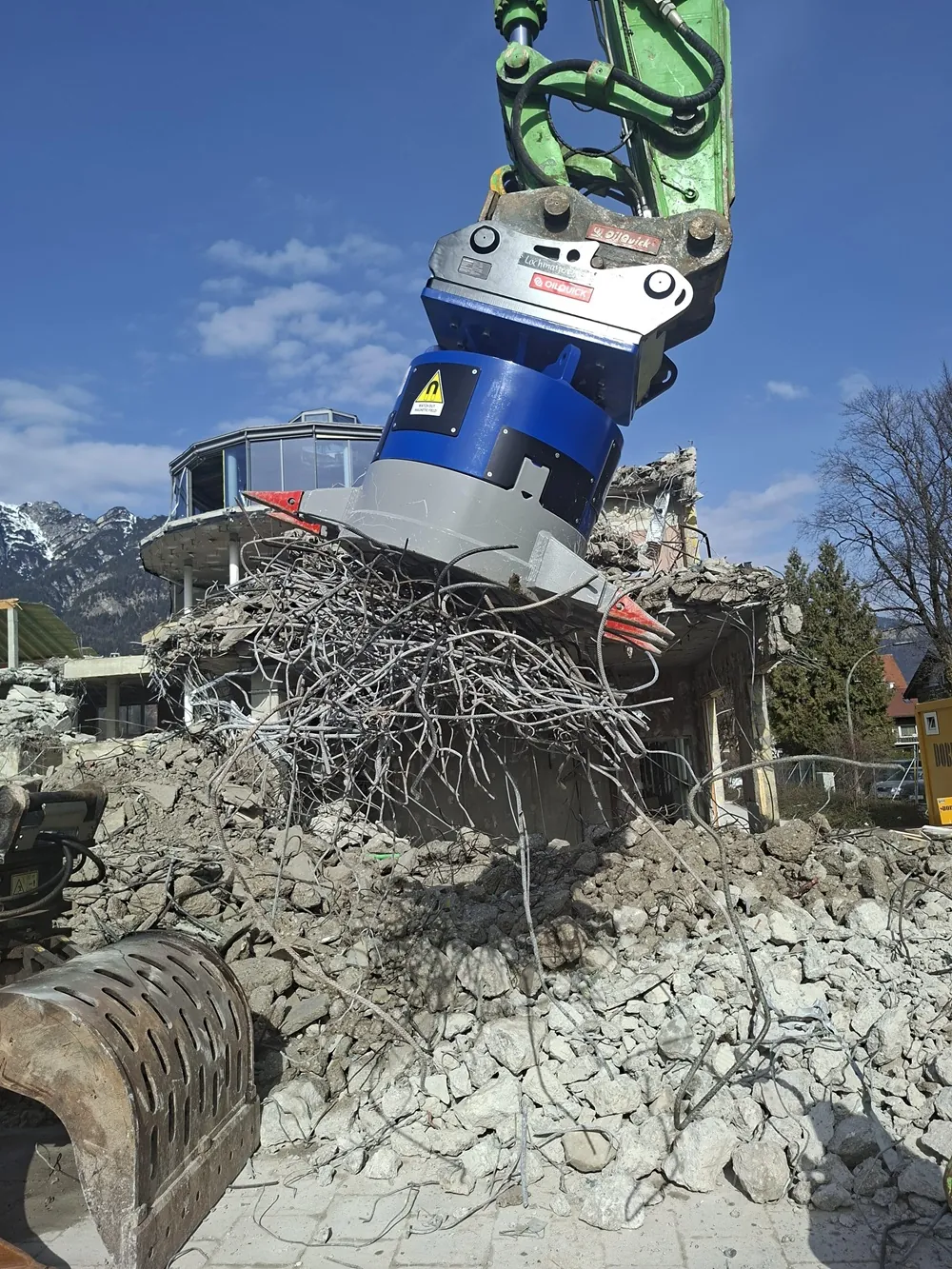
Electromagnets are essential components in numerous professional applications: from scrap recovery to material handling, from automation to magnetic separation. Whether you are a sector operator, a plant integrator, a purchasing manager or a maintenance technician, knowing the different types of electromagnets is fundamental to choosing the right solution, optimising work cycles and ensuring safety, reliability and high performance.
Each electromagnet has a specific function, with dimensions and characteristics that vary according to the application, the type of material to be lifted and the operational context (fixed plants, earthmoving machinery, overhead cranes, recycling plants, etc.).
In this in-depth analysis we examine in detail the main categories of electromagnets used today in the industrial world, explaining how they work, when to use them and what advantages they offer.
We will explore in detail:
- Hydraulic electromagnets
- Low-voltage circular electromagnets
- Scrap circular electromagnets
- Battery-powered electromagnets with remote control
What is a hydraulic electromagnet and how does it work?
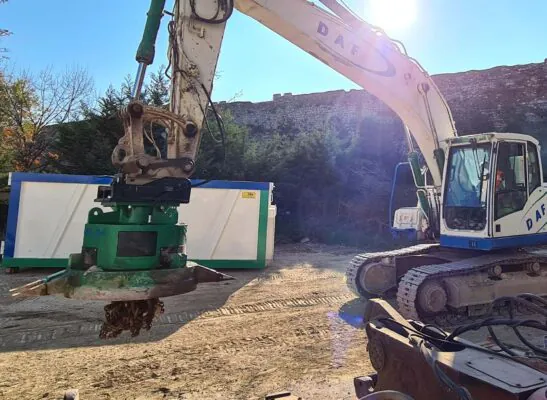
A hydraulic electromagnet is a device designed to be powered directly by hydraulic systems, typically those already present on earthmoving machinery (such as excavators, loaders, truck-mounted cranes, etc.). This type of electromagnet represents the ideal solution for construction sites, demolitions, and the collection and sorting of metallic materials, where a traditional electrical power source is not available.
The operating principle is based on the conversion of hydraulic energy into electrical energy, by means of an integrated generator that uses the oil flow to generate current. This current powers the electromagnet coil, generating the magnetic field necessary to lift metal loads.
Advantages and applications of hydraulic electromagnets
These devices offer a combination of high performance, ease of use and adaptability, making them ideal for numerous operational settings:
- Complete independence from the electrical grid: Perfect for operating in isolated areas or on mobile construction sites, they require no fixed electrical supply, ensuring maximum operability even in the absence of infrastructure.
- Compatibility with existing machinery: Hydraulic electromagnets are easily installed on excavators, cranes and other equipment already in use, with no need for complex structural modifications.
- High magnetic power: They offer superior attraction force, ideal for handling metal scrap and heavy materials, even in demanding industrial environments.
- Suited to hostile environments: They withstand dust, moisture, atmospheric agents and extreme conditions, ensuring reliability and longevity even in difficult operational scenarios.
Thanks to their versatility, hydraulic electromagnets find application across a wide range of industrial and environmental sectors. Some examples include:
- Demolition sites: used to separate and recover ferrous materials quickly and efficiently, they improve logistics during dismantling operations.
- Mobile scrap recovery plants: ideal for temporary or mobile solutions, they facilitate the collection and sorting of metals in non-permanent settings.
- Operations on decommissioned areas or industrial remediation: they enable safe and effective recovery operations even in the absence of electrical power and on difficult terrain.
- Mobile ecological platforms: integrated into mobile structures, they allow sustainable management of ferrous materials in disposal or recycling processes.
This combination of operational efficiency, installation flexibility and environmental resistance makes hydraulic electromagnets an optimal choice for any operation requiring magnetic power free from electrical constraints.
What are low-voltage circular electromagnets?
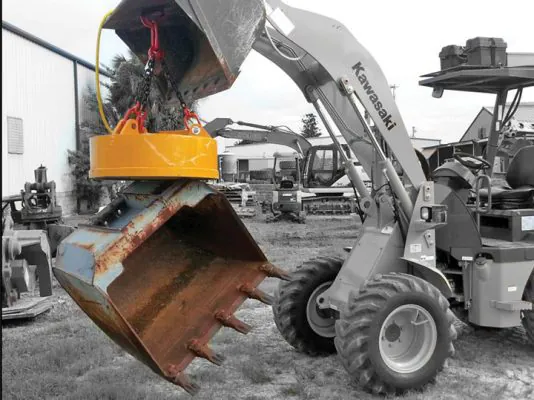
Low-voltage circular electromagnets are devices designed to operate at contained supply voltages, typically 12 or 24 VDC, in complete safety. They are ideal for environments where electrical safety is a priority, such as automated warehouses, material handling plants and robotic systems.
These magnets are distinguished by a compact, high-performance design that ensures long operational life even under critical conditions.
Why choose a low-voltage magnet?
The adoption of low-voltage magnets offers numerous benefits, particularly when working in sensitive environments or with high-precision technologies. The main advantages are:
- Increased safety, especially in damp environments or where human operators are present
- Compatibility with PLCs and automation logic
- Response speed
- Possibility of battery supply or via DC converters
Main uses of low-voltage magnets
Low-voltage magnets are used across a wide range of applications in automation and advanced logistics. Key uses include:
- Automated picking systems
- Industrial robotics
- Automated warehouses
- Assembly lines
This solution is excellent for companies aiming to optimise production processes without compromising reliability or operator safety.
Scrap circular electromagnets

Scrap circular electromagnets are among the most powerful and robust models on the market. Designed to withstand the extreme conditions found in steelworks, foundries, demolition sites and metal recovery operations, these devices offer high lifting capacities and a structure built to resist impacts, dust, high temperatures and corrosive agents.
Each electromagnet is designed to ensure maximum longevity. The choice of materials and internal configuration play a fundamental role.
- High-strength steel body
- Insulated and protected copper or aluminium windings
- Thermal protection system
- Possibility of continuous or intermittent duty operation
- Attraction plate with increased thickness to enhance magnetic grip
Lifting capacity of circular electromagnets
The power of these electromagnets can exceed 50 tonnes of force, depending on the diameter and supply voltage (typically 220 V or 400 V DC via converters).
Thanks to their high magnetic force, structural robustness and installation versatility, these electromagnets are employed across numerous high-intensity industrial sectors:
- Scrap recycling plants
- Industrial demolitions
- Crucible loading in foundries
- Handling of ferrous waste, swarf and sheet metal
Their combination of solid construction, quality components and high performance makes them a strategic investment for any company aiming to maximise efficiency and operational safety within its plants.
Battery-powered electromagnets with remote control
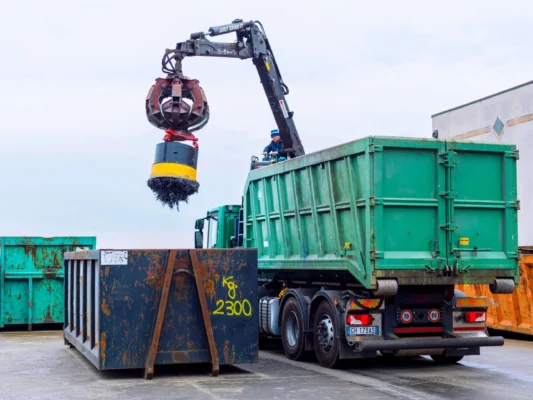
Battery-powered electromagnets with remote control represent one of the most versatile, flexible and autonomous solutions for magnetic material handling. These devices incorporate a rechargeable battery, an electronic management system and a wireless remote control, which allows them to be activated and deactivated from a distance in complete safety.
Thanks to their self-contained structure and the absence of cabling, these devices are perfectly suited to a wide variety of field operations, both in logistics and industrial settings:
- Mobile sites or areas without power supply: they operate perfectly in isolated areas, far from electrical infrastructure, allowing uninterrupted operations.
- Mobile cranes, hydraulic loaders, forklifts or excavators: they are easily installed on moving equipment, optimising material management even in dynamic conditions.
- Work on railway lines, roads or logistics platforms: ideal for rapid and temporary operations where it is not possible to arrange a fixed power supply.
- Fast and continuous handling: perfect for applications requiring high reactivity and flexibility, such as rapid loading and unloading in goods transit areas.
Technical specifications and advantages of battery-powered electromagnets
The technical design of these magnets combines energy efficiency with smart functionality, delivering a smooth and highly productive user experience.
- Lithium or lead-gel battery power supply: lithium versions offer greater lightness and longevity, while lead-gel versions guarantee reliability at lower cost.
- Average autonomy of 6 to 10 hours: they allow full working days without recharging, optimising shifts and production cycles.
- Remote control with range of up to 100 metres: maximum remote control, even in complex or hazardous environments, with no need to operate close to the load.
- Rapid release function: allows material to be released with extreme precision, improving the speed of operations.
- Integrated safety system: in the event of a flat battery, an automatic protocol activates to prevent accidents and protect the load.
- Integrated battery charger: enables recharging from any 220 V or 400 V socket.
- LED indicator light: monitors the operating and charge status of the electromagnet.
Whether you work in scrap recycling, demolition, industrial logistics or sectors such as foundry and automation, choosing the right electromagnet can make all the difference in terms of efficiency and safety.
At Zanetti Magneti we design and manufacture electromagnets for every requirement, supporting companies throughout Italy and worldwide with professional and reliable solutions. Do you have a project to develop or are you looking for expert advice? Contact us today: our technical and commercial team is ready to help you find the perfect magnetic solution for your application.
FAQ – Everything you need to know about industrial electromagnets
What is the difference between a hydraulic electromagnet and a traditional electric one?
A hydraulic electromagnet generates electricity by exploiting oil pressure through an integrated generator, and is ideal for use on mobile machinery without an electrical power supply.
How much can an industrial electromagnet lift?
It depends on the model. The most powerful electromagnets can lift over 50 tonnes, but even compact ones can handle loads of hundreds of kilograms with extreme precision.
Are battery-powered electromagnets reliable for professional use?
Absolutely. When well designed, they offer high autonomy, sufficient force and safe control, along with the flexibility of being usable anywhere.
Can I use an electromagnet to lift stainless steel?
It depends on the composition. Austenitic stainless steels (such as grade 304 or 316) are not attracted by magnets. Ferritic stainless steels, on the other hand, are, to a moderate degree.
How do I choose the right electromagnet for an industrial application?
It is necessary to assess: load weight, metal type, available power supply, frequency of use, working environment and the type of machine on which it will be mounted.
Do electromagnets work on non-ferrous materials?
No, magnetic action works only on ferromagnetic materials such as iron, steel and cast iron. It is not effective on aluminium, copper, brass or plastic.
How long does an electromagnet last?
With regular maintenance and correct use, a good electromagnet can last over 10 years, particularly if equipped with protection against dust, impacts and voltage surges.
What kind of maintenance does an electromagnet require?
Periodic checks of the wiring, coil condition, cleaning of the attraction surface, inspection of welds and lifting force tests. In demanding environments, a thorough annual inspection is recommended.